Kane Films
2004-2006
This was Mike Kane's website, created to promote his short films and keep his fans updated on his most recent projects.
The content is from the site's 2004-2006 archived pages and other relevant outside sources..
~ ~ ~
My name is Mike Kane.
Hope you liked my creations. I've always been a big fan of animation and I've been pencil sketching since as long as I can remember. I've been doing computer animation since 1999.
My influences include Alex Ross, George Lucas, Stephen Spielberg, Walt Simonson, John Milton. There's more than that but these are the ones who have given me such memorable stories and images, that they are at the top.
Things I've worked on:
- INFILTRATION- Mike Kane, Kanefilms. Star Wars Fan Film (Completed 2003)
- AVATAR: Origins - Mike Kane, Kanefilms. Original Animated Short (Completed 2003)
- THE PREMONITION - Bankato, LTD. Star Wars Fan film. 3d animation for environments, the finalle, and animated stunts for the characters.
- A RISING THREAT- Red Planet Productions. 3d animation and character animation
2005 Latest News

IMAGE: SKPageimage2.jpg
This is an independant, non profit, artistic expression. It is not endorsed by the owners of the Solomon Kane property rights nor is it meant to compete with or undermine any future material.
This short film is taken from the Solomon Kane poem "The Return of Sir Richard Grenville" by Robert E. Howard.
Though most prominently known for creating the genre now known as “Sword & Sorcery”, Howard’s body of work includes historical adventure, suspense, epic poetry, gothic horror, sea stories and Western burlesques in the vein of the great Mark Twain --- Taken from http://www.rehoward.com
Solomon Kane The Return of Sir Richard Grenville
Here is my latest film based on the Robert E Howard Character, Solomon Kane. "The Return of Sir Richard Grenville" is an almost word for word interpretation of the REH poem by the same name. And unlike the other movie versions of Howard's characters, (Conan, Red Sonja, and Kull), I did not re make any aspect of the character, going for the purest R.E. Howard vision that I could make into a short film.
A High five to all the forum members who helped me out on this too!!!
Solomon Kane at Kanefilms.com - http://www.kanefilms.com/SolomonKane
Shot with a Panasonic DVC-30p in 1 day.
Shot in the open, bluescreened all characters.
Every shot is made up of at least 3-6 layers for compositing.
Total cost was just under $900 for props, costumes, and set.
Lessons Learned:
1) Never shoot outside without more shade. Florida sun sure did reflect off the bluescreen giving the blue 'spill' on the actors.
2) Get more 'extra' shots of footsteps, closeups, and misc action for editing.
3) I need a better microphone.
4) I learned to refinish a sword after getting all scratched up....
5) Get creative with compositing to make 2 actors look like 15. (I had more actors, but only 2 showed up on the day of shooting)
I hope you like it.
Solomon Kane The Return of Sir Richard Grenville Credits
Written by Robert E Howard
Directed/Edited by Mike Kane
Starring:
Michael Ellison
Rob Batie
Evens Duplessy, Jr
Narration by:
Andrew Bowyer http://www.abVoices.com
Original Music and Sound Mastering by Wolfgang Mittendorfer
Sound Design by Jodie Kupsco
Filming Crew:
Mike McCarthy
Shirley Kane
The Cuban Menace
Angel Martinez
Total Running Time: 3 minutes 59 seconds
YouTube Comments
cha5 1 year ago
Robert E. Howard would be proud. I'll take this superb film over that Hollywood film with the same character's name anytime. God I wish we had more fan films of this quality out there.
+++
Ben Wilson 3 years ago
This was more enjoyable then the feature length film.
+++
Chuck Norris 1 year ago
Wow! Gave me goosebumps! Well done and thank ye...
+++
johnny redwood 1 year ago
Hey mike... I like the the film....we need to do another
+++
Roy Thomas 2 years ago
MOAR
+++
ragvar 4 years ago
that was awesome make more if you can :-)
+++
wina rhai 4 years ago
great, .solomon kane lookalike michael jackson. . . .but still great
+++
diddymuck 4 years ago
looking forward to many many more works from these talented people.
+++
diddymuck 4 years ago
outstanding!
+++
eamon whitmore 4 years ago
the trailers make it look one badass film, when the british industry do a good horror it makes hollywood look pale in comparison.
+++
PoetryETrain 4 years ago
Thank you Robert, added to a playlist...
+++
beanoalbum1966 5 years ago
This is really lovely and has fantastic mood...!
+++
Cheryl Elaine Williams 5 years ago
remembering REH
+++
docfatalis100 5 years ago
Thank you guys for that.
+++
ScoobyTheSlayer 5 years ago
Very well made, well done to all involved
+++
RamBam3000 5 years ago
Now I know who the depiction of Harry Dresden of the front of the books reminds me of - Solomon Kane! Brilliant!
+++
AryanBarbarian777 5 years ago
I love the concept of this. I've been a REH fan for years and knew his poetry would make excellent short narrative films if someone with talent would make them. I get chills every time Sir Richard Grenville speaks!
+++
spider9137 6 years ago
Lucas Knight did a better job on this film than Lionsgate did with the new Conan film. So sad ... The big Hollywood budget just gives us another missed opportunity ...
+++
westwass 6 years ago
My absolute fav REH hero. I love the attention to detail: rapier, flintlock, puritan clothing... and the cat-headed fetish staff! Made by a true fan with an excellent film makers eye. Well done.
+++
talha bin shams 6 years ago
I need to find this on malifilmici.co.cc today, I LOVED this movie......... The actors, the story, it's funny and romantic, I dunno what I didn't like about this movie lol.
+++
sreevatsan sreekanth 6 years ago
Every player in this fairy tale for adults drama, is grappling withthe external as well as the internal conflict of how to be true to one's Self.Beautiful acting by all. Strong, sensitive, insightful. It can be seen on kookíca. I was mesmerized from the beginning to The End.
+++
unincorporated1 7 years ago
Awesome job guys... Seriously, BRAVO!!! I will subscribe, love to see updates from your channel.
+++
Harlock2day 7 years ago
wow, did not expect that ! great work.
+++
2004 Latest News
April 29, 2004 - ANNOUNCING, Avatar: Child of Peace is completed and ready to view.
April 28, 2004 - Two of my films have been selected for the 2004 Atomfilms Star Wars Fan Film competition. A Fan Letter and Funk'd are now Viewable at ATOMFILMS.COM
March 11, 2004 - I have completed a short Star Wars Spoof of a current TV campaign called "A Fan Letter"
Jan 29, 2004 - Both Infiltration and Funk'd will be playing at the 3rd Annual London Scifi Film Festival this weekend Jan 30-Feb 1st. If you are in the area, Come on out and support the films.
Jan 13, 2004 - I have completed On Your Potty. A short film for children based on the book from Candlewick Press.
Jan 4, 2004 - AVATAR: Torment The next chapter in the Avatar series is underway.
Dec 23, 2003 - I have completed another Star Wars Spoof called Funk'd. That Ashton guy over at MTV only wished he was as smooth as Boba Fett. See what happens when Fett tries to Funk Darth Vader!
Nov 6, 2003 - Finally, after months of delays and other excuses I'll come up with later...I am please to annouce Avatar: Origins is complete. Free to view online.
Nov 3, 2003 - I'm back. After the overwhelming respose I received from Infiltration, thanks to a frontpage story at CG Channel and exposure from theforce.net, I had 80 gigs of transfers in just a few hours. My ISP Shut me down until November. So now I'm looking for hosts and mirror's to help with the film.
And let me just say, I am so pleased with the response to Infiltration. Thank you to everyone who watched it.
Sept 30, 2003 -
I am pleased to annouce the completion of Infiltration, a computer animated, Star Wars Fan film. Plenty of action with my favorite characters from the Star Wars saga. I hope you enjoy it.
Sept 12, 2003 -
I've added works to the Pencil and Ink Gallery. The Avatar Film has had to return to Post for sound changes. I am very optimistic that the final product will come soon. Perhaps before the end of October. Look here for more news soon.
July 22, 2003 -
Just flying back from Comic-Con in San Diego. Excellent time. I was there to support the Start Wars Fan Film Awards and my entry >"Tie TV Spot". Well, I didn't come away with the top prizes, but I was thrilled by the audience's reaction to the clip of my animation that was playing during the awards.
Comic-Con 2003
San Diego, CA
Just a great time in San Diego and at Comic-Con 2003.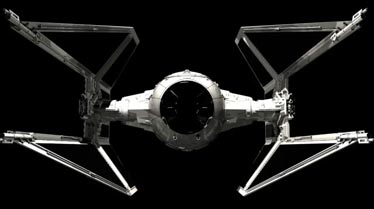
As you probably already know, I was out there to support the "Tie TV Spot" for the 2nd Annual Atomfilms' Star Wars Fan Film contest. I didn't come away with the top honors, but I came away with something better. During a montage of all the films, the audience roared and laughed to my clip. I might have received one the loudest reaction from the crowd during the montage when they saw the image of Boba Fett dancing in the spoof of the Mitsubishi commercial. Those few seconds of laughter from the fans and the other directors/creators meant more to me than that trophy.
While there I had the opportunity to meet many of the other artists. Trey (Pink Five) and John (Jedi Hunter) were great guys and very fiendly, and I hope to meet them again next year. I spoke with and was interviewed by Dave Gross from Star Wars Insider. I met Steve Sunsweet from Lucasfilm and many others.
The Awards Ceremony, which took place on the first day of Comic-Con at 8:30, was a spectacular event. It was hosted by Jeremy Bulloch, best known as Boba Fett, who struck everyone as a gentleman and an all-around nice guy with his cordial and friendly demeanor. The ceremony opened with a captivating montage of all the short films, setting a celebratory tone for the evening. The awards were then presented, and each winner’s film was viewed, giving a spotlight to the talented creators. Attendees were encouraged to visit Atomfilms to see all the results.
Adding a touch of elegance to the event, some of the awards given to the winners were not just symbolic plaques but also included beautifully crafted sterling silver rings. These rings, commissioned especially for the occasion, were engraved with iconic imagery from the films being honored, making them unique pieces of elegant jewelry that complemented the prestige of the awards.
The ceremony also featured an uproarious performance titled "The Star Wars Trilogy in 30 minutes." This live act was both hilarious and entertaining, with the performers earning a well-deserved standing ovation at the end of the show.
In the jubilant atmosphere that followed, we all congratulated each other and basked in the joy of the moment. It was more than just an awards ceremony; it was a celebration of the community and the art that brings us together.
Over the subsequent days at Comic-Con, I immersed myself in the festivities. I attended the Kevin Smith Q&A, although I sadly missed the chance to meet him due to the cap on his autograph line.
I did, however, get the opportunity to meet Neal Adams, a legend in his own right. From him, I acquired an autographed Conan Lithograph. His warm and genuine pleasure at meeting fans reminded me of the graciousness we had witnessed at the awards.
I also had the pleasure of meeting Randy Bowen. His dedication to his fans was remarkable. I watched in awe as some fans presented their entire collections of Bowen pieces, and he graciously signed each one. I had my symbiote Spider-Man statue signed by him, a memento now enhanced by his personal touch, and even managed to get a photo.
The Artist's Alley was a treasure trove of talent, where I picked up some exceptional art and had the chance to meet both traditional and digital artists. The costumes on display were remarkable, some of which I captured in photos to share.
My wife and I had an unforgettable experience, and the anticipation for next year’s Comic-Con is already building. With the memories of sterling silver awards and the elegance of the evening's jewelry and art, this year's event will be a tough act to follow.
+++
Latest Projects
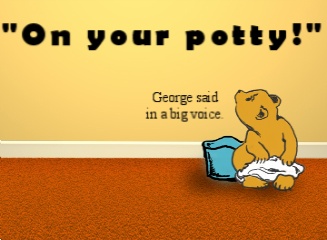
On your Potty is a short animation based on the children's book of the same name by Virginia Miller.
This short was created for my children, I think yours might like it also.
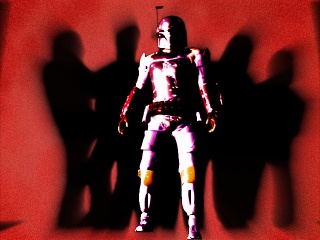
Funk'd is a Star Wars/Punk'd Spoof where Boba Fett is the Prankster and Vader is his Target. Just wait until you see what happens to the Lord of the Sith!

ATOMFILMS Star Wars Fan Film Finalist 2004
View Funk'd on ATOMFILMS
If you would like a DVD of the film, please contact me at mikekane@kanefilms.com
Directed/Animated/Edited by Mike Kane
Most models provided by the Artists at Scifi3d.theforce.net
Total Running Time: 3 minutes 58 seconds
Those folks over at MTV only wish they were as smooth and cool and Boba Fett! And only Fett can pull a stunt on Darth Vader. Watch what happens when the Lord of the Sith is next in line to get Funk'd!
Total animation and modeling time was (roughly) 25 hours not including render time.
I provided all the voices and music for the comedy spoof.
Thanks for your support.
Thanks for Watching!!
Those folks over at MTV only wish they were as smooth and cool and Boba Fett! And only Fett can pull a stunt on Darth Vader. Watch what happens when the Lord of the Sith is next in line to get Funk'd!
Total animation and modeling time was (roughly) 25 hours not including render time.
I provided all the voices and music for the comedy spoof.
Thanks for your support.
Thanks for Watching!!
A fully animated, independent short film. Created, written, and animated by Mike Kane. Featuring an original score by composer Derek Devore.
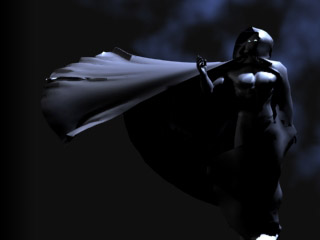
Avatar: Origins is a computer animated fantasy. A tribute to old heroes and tales of adventure.
Its a MOV 320x240 with IMA 4:1. 60 megs large. If you have any trouble watching the film, make sure you have the latest quicktime viewer from www.quicktime.com.
Directed/Animated/Edited by Mike Kane
Written by Mike Kane
Music by Derek Devore http://www.derekdevore.com
Sound Engeneering by Andy Lee Robinson http://www.haveland.com
Total Running Time: 13 minutes 16 seconds
The power of the soul in in each of us, but only a precious few discover it exists.
This first installment, of what I hope will be an ongoing series, tells the story of the Avatar of Hope, his origin, his first battle, and his first experience of his true power.
The film was animated using 3dStudio Max 4.2 and edited in Vegas Video 4.0. Total animation and modeling time was (roughly) 180 hours not including render time. There are several stories that I could tell about the production of the short, some good and some not so good. But here is the end result: a cgi fantasy stylized after Silver Age comics and the Heroes that introduced me to adventure stories.
The soundtrack was written by a very talented and imaginative composer, Derek Devore. He has a long list of credits to his name and I was very fortunate to have him work on this project.
Andy Haveland-Robinson, another very talented artist came in to handle the sound effects and mixdowns for me. He worked magic on much of the dialogue and he was a great addition to the team.
The Avatar of Hope will return in the next installment called "Avatar: Torment". Already in production, I hope to have this completed by Fall of 2004 with excellent sound and improved animation.
Thanks for your support.
If you keep watching them, I'll keep making them.
A Star Wars Fan Film

ATOMFILMS Star Wars Fan Film Finalist 2004
If you have any trouble watching the film, make sure you have the latest quicktime viewer from www.quicktime.com.
If you would like a DVD of the film, please contact me.
Directed/Animated/Edited/Music/Vader's Voice Mike Kane
Thanks to Martin Garnier and http://scifi3d.theforce.net
Total Running Time: 45 seconds
A STAR WARS Spoof of the TV campaign for a certain company that uses celebrities to read fan mail on the air. I always like the simplicity and the blue and black colors for this campaign.

More Background On KaneFilms.com
KaneFilms.com was the online home of independent filmmaker and computer animator Mike Kane during the early 2000s, serving as both a personal portfolio and a production studio website. Active primarily between 2003 and 2006, the site documented Kane's creative journey as he produced animated shorts, fan films, original fantasy projects, and experimental visual effects work. Although the site is no longer an active production hub, archived versions provide a fascinating snapshot of an era when independent digital filmmakers were beginning to gain worldwide recognition through the internet rather than traditional film studios.
Unlike many personal websites of the period that functioned simply as online résumés, KaneFilms.com operated almost like a miniature production company. Visitors could learn about projects currently in development, download completed films, browse artwork, read production diaries, and follow Mike Kane's experiences attending conventions and film festivals. The website reflected the optimism of an era when affordable 3D animation software, faster home computers, and improving internet bandwidth suddenly allowed independent creators to compete creatively with much larger productions.
The site particularly appealed to fans of science fiction, fantasy, comic books, and visual effects. Many visitors initially discovered KaneFilms through his Star Wars fan productions before exploring his original fantasy work and later historical adaptations inspired by the writings of Robert E. Howard. In many ways, KaneFilms.com represented the intersection of fandom, digital artistry, and independent filmmaking that characterized the early online creator community.
Mike Kane: The Creator Behind KaneFilms
KaneFilms was founded and operated by Mike Kane, an independent filmmaker with a passion for illustration, animation, and cinematic storytelling. According to the site's own biography, Kane had been sketching since childhood and began experimenting with computer animation in 1999, at a time when professional-quality CGI software was becoming increasingly accessible to independent artists.
Kane openly discussed the artists and storytellers who influenced his work, including:
- Alex Ross
- George Lucas
- Steven Spielberg
- Walt Simonson
- John Milton
These influences help explain the distinctive blend found throughout his productions. His work combined superhero-inspired visual composition, cinematic adventure, mythological themes, religious symbolism, and classic fantasy storytelling.
Rather than focusing solely on animation, Kane expanded into virtually every aspect of filmmaking. His productions often listed him as:
- Writer
- Director
- Animator
- Editor
- Voice actor
- Music producer
- Visual effects artist
This multidisciplinary approach became common among online independent filmmakers during the early 2000s but was still relatively unusual compared to traditional film production, where responsibilities were divided among large crews. Kane demonstrated that a single creator with sufficient technical knowledge could complete surprisingly sophisticated productions from a home studio.
A Website Designed Around Independent Productions
Instead of functioning as a traditional corporate website, KaneFilms.com was organized around Mike Kane's creative output.
Visitors typically encountered sections devoted to:
- Latest news
- Current productions
- Completed films
- Artwork galleries
- Behind-the-scenes production notes
- Festival announcements
- Download links
- Project credits
This structure made the website feel more like a filmmaker's journal than a commercial business.
One of the site's strengths was its transparency. Kane regularly shared technical information about each production, including software used, production hours, filming challenges, lessons learned, and creative decisions. This openness made the site valuable not only to viewers but also to aspiring filmmakers hoping to learn practical production techniques.
Rather than presenting polished marketing copy, Kane frequently wrote in an informal first-person style, discussing mistakes as readily as successes. This authenticity helped build credibility among fellow independent creators and encouraged a sense of community around the projects.
Becoming Part of the Star Wars Fan Film Community
Perhaps KaneFilms' greatest visibility came through its connection to the rapidly growing Star Wars fan film movement.
Following the release of films like Troops in the late 1990s, online fan filmmaking experienced enormous growth. Websites such as TheForce.net and FanFilms.com became central gathering places where amateur filmmakers shared increasingly sophisticated productions inspired by George Lucas's universe.
Mike Kane became an active participant in this movement through several projects, including:
- Infiltration
- Funk'd
- A Fan Letter
- Tie TV Spot
These productions mixed computer animation, parody, action, and visual effects while remaining clearly respectful tributes to the original films.
Unlike many live-action fan productions requiring elaborate costumes and locations, Kane leveraged his expertise in 3D animation to create convincing digital environments and spacecraft. This allowed him to produce visually ambitious sequences despite working with relatively limited resources.
His work attracted attention from the online Star Wars community and helped establish KaneFilms.com as one of the more recognizable independent animation websites of its era.
Recognition Through AtomFilms
An important milestone in KaneFilms' history came through the AtomFilms Star Wars Fan Film Awards, one of the most prestigious showcases available to fan filmmakers during the early 2000s.
Several of Mike Kane's productions became finalists or official selections, including:
- Funk'd
- A Fan Letter
- Tie TV Spot
Being selected for AtomFilms significantly increased the visibility of his work because the platform was widely known for hosting high-quality short films and was closely associated with Lucasfilm's encouragement of fan creativity.
Kane described attending the awards ceremony during Comic-Con International in San Diego, where he experienced enthusiastic audience reactions during screenings of his work. Rather than focusing on trophies, he wrote that hearing hundreds of fans laugh during his Boba Fett parody provided greater satisfaction than winning an award.
The event also allowed him to meet fellow filmmakers, Lucasfilm representatives, and contributors to Star Wars Insider, further integrating him into the growing fan filmmaking community.
Infiltration and the Challenge of Independent CGI
One of the most important productions associated with KaneFilms.com was Infiltration, a computer-animated Star Wars fan film completed in September 2003. The short demonstrated Mike Kane’s interest in creating action-driven stories using recognizable characters, vehicles, and environments from the Star Wars universe. It also showed how far home-based animation had progressed by the beginning of the 21st century.
Producing an animated fan film at that time required far more technical preparation than uploading a modern video to a social platform. Models had to be built or acquired from other digital artists, scenes had to be animated, lighting had to be configured, and every frame had to be rendered before editing could begin. Even a relatively brief sequence could occupy a home computer for hours or days.
Kane credited contributors from SciFi3D, a community associated with TheForce.net that made science-fiction models and resources available to digital artists. These communities were essential to early fan filmmaking. Instead of every creator independently rebuilding familiar spacecraft, droids, weapons, and sets, artists shared resources that could be adapted for nonprofit projects. This collaborative model anticipated the asset libraries, plug-ins, templates, and open creative ecosystems used by contemporary digital producers.
The release of Infiltration also revealed the limitations of early online video distribution. After the film received exposure from CG Channel and TheForce.net, demand reportedly generated approximately 80 gigabytes of data transfer within only a few hours. That volume overwhelmed Kane’s hosting arrangement, and the website was temporarily shut down by its internet service provider.
Today, 80 gigabytes is not an extraordinary amount of traffic for a video platform. In 2003, however, independent filmmakers normally hosted downloadable movie files directly on their own servers. A sudden burst of attention could produce large bandwidth charges or cause a hosting account to be suspended. Creators therefore depended on mirror sites, volunteer hosts, and downloadable file formats rather than centralized streaming services.
The incident was both a technical problem and an indication of the film’s popularity. It demonstrated that Kane’s work had reached an audience far beyond friends and local collaborators. Online coverage could produce an immediate international response, even when the creator lacked the infrastructure to accommodate it.
Funk’d and the Use of Popular-Culture Parody
KaneFilms.com expanded its audience through comedy as well as action. Completed in December 2003, Funk’d was a parody combining Star Wars with the format of MTV’s hidden-camera television series Punk’d. The film placed Boba Fett in the prankster role associated with Ashton Kutcher and made Darth Vader the unsuspecting target.
The concept was well suited to a short online production. Viewers did not need a lengthy introduction because the characters and television format were already familiar. Much of the humor came from seeing serious cinematic villains placed within a contemporary entertainment program.
Mike Kane directed, animated, edited, voiced, and provided music for the film. He estimated that its animation and modeling required approximately 25 hours, excluding rendering. Its running time was just under four minutes, illustrating how labor-intensive even a short computer-animated comedy could be.
Funk’d was selected as a finalist in the 2004 Official Star Wars Fan Film Awards. It was also shown alongside Infiltration at a science-fiction film festival in London. These screenings moved Kane’s work beyond personal web distribution and placed it in organized programs where audiences could view it collectively.
The film belonged to a broader tradition of Star Wars parody that flourished online. Fan filmmakers frequently adapted advertisements, television formats, music videos, and familiar genres because parody provided an accessible way to demonstrate technical skill without attempting to imitate the scale of a feature film. Kane’s choice of Boba Fett was especially effective because the character already possessed a strong fan following despite having comparatively limited screen time in the original trilogy.
A Fan Letter and the Appeal of Short-Form Satire
Another 2004 AtomFilms selection was A Fan Letter, a 45-second animated spoof inspired by a television advertising campaign in which celebrities read correspondence from admirers. Kane adapted the understated visual format of those commercials to Darth Vader, contrasting the polished seriousness of the advertisement with the exaggerated reputation of the Star Wars villain.
The production was remarkably compact. Kane handled the direction, animation, editing, music, and Vader’s voice. Its brevity reflected the realities of early web distribution, when smaller QuickTime files were easier for viewers to download over dial-up or slower broadband connections.
At the same time, the short anticipated the type of concise, reference-based comedy that would later become common on YouTube and social media. The joke could be understood quickly, shared easily, and enjoyed without committing to a longer story. KaneFilms.com therefore documented not only the development of independent computer animation but also an early form of internet-native filmmaking.
Avatar: Origins and Original Storytelling
Although Star Wars parodies brought substantial attention to KaneFilms.com, Mike Kane also wanted to develop original characters and stories. The clearest example was Avatar: Origins, a computer-animated fantasy film completed in November 2003.
Running for more than 13 minutes, the production was significantly more ambitious than Kane’s short parodies. It introduced the Avatar of Hope, a heroic figure who discovers the spiritual power within himself through conflict and personal transformation. Kane described the film as a tribute to traditional heroes, adventure stories, and the visual style of Silver Age comic books.
The story reflected several of Kane’s stated influences. Its heroic imagery recalled the idealized comic-book art associated with Alex Ross, while its mythology and moral conflict drew from epic fantasy, religious symbolism, and classic literature. The project was not simply an effects demonstration; it was an attempt to build an original fictional world that could support additional chapters.
Kane estimated that animation and modeling required approximately 180 hours, excluding render time. The film was created with 3D Studio Max 4.2 and edited in Vegas Video 4.0, software packages commonly used by serious independent digital artists of the period.
Original music was composed by Derek Devore, while Andy Haveland-Robinson handled sound engineering and mixing. Their contributions demonstrate that KaneFilms productions were not always entirely solitary efforts. Kane remained the central creative figure, but he collaborated with specialists whose work improved the emotional and technical quality of the finished films.
The site announced a planned sequel titled Avatar: Torment. Kane hoped it would feature improved animation and sound while continuing the Avatar of Hope’s story. The project illustrates one of KaneFilms.com’s central goals: using short productions to develop creative and technical abilities while gradually moving toward more ambitious original filmmaking.
Child of Peace and the Developing Avatar Series
The Avatar concept continued with Avatar: Child of Peace, announced as completed in April 2004. Together with Avatar: Origins and the planned Avatar: Torment, the production suggested that Kane envisioned an ongoing fantasy series rather than a single standalone experiment.
This distinction is important when evaluating the website. KaneFilms.com was not exclusively a fan-film destination. The recognizable Star Wars characters helped attract viewers, but the site also served as a testing ground for original intellectual property. Kane used the techniques developed through parody and fan animation to pursue stories over which he had greater creative control.
The Avatar projects also broadened the site’s potential audience. While Star Wars fans could appreciate the technical achievements of Infiltration or the humor of Funk’d, fantasy and comic-book enthusiasts could engage with a new mythology shaped by Kane’s personal interests.
The coexistence of fan films and original productions made KaneFilms representative of the early internet’s creator culture. Artists often gained visibility by working within established fandoms and then used that audience, experience, and technical knowledge to introduce original work.
On Your Potty and Expanding Beyond Science Fiction
Although KaneFilms.com became best known for fantasy adventures and Star Wars-inspired animation, Mike Kane demonstrated a willingness to work across multiple genres. One example was On Your Potty, a short animated film based on the children's book by Virginia Miller, published by Candlewick Press. Rather than emphasizing action, visual effects, or parody, the project was designed as family-friendly entertainment and, according to Kane, was created primarily for his own children before being shared with a wider audience.
This project illustrated another aspect of Kane's creative philosophy. Rather than limiting himself to a single audience, he explored whatever interested him creatively. Visitors browsing the website might move seamlessly from a Star Wars comedy to an original fantasy adventure and then to a children's animation. That variety helped distinguish KaneFilms.com from many fan-film sites that focused exclusively on one franchise.
The inclusion of On Your Potty also reflected a broader trend in early independent animation. Digital tools were becoming increasingly affordable, enabling artists to create educational shorts, children's entertainment, commercials, and personal projects without requiring a traditional animation studio. Kane embraced this flexibility, treating animation as a storytelling medium rather than simply a vehicle for science-fiction spectacles.
Professional Visual Effects and Collaborative Productions
Although KaneFilms largely showcased Mike Kane's personal productions, the website also documented his work on projects produced by other filmmakers. These collaborations demonstrated that his skills extended beyond directing his own films and into the broader independent filmmaking community.
Among the productions listed on the site were:
- The Premonition (Bankato Ltd.), where Kane created 3D environments, animated action sequences, and digital stunt work.
- A Rising Threat (Red Planet Productions), for which he provided character animation and additional computer-generated imagery.
These credits are significant because they reveal that Kane was contributing specialized visual-effects work rather than simply creating personal hobby projects. During the early 2000s, independent productions increasingly relied on freelancers who could provide digital animation without requiring access to expensive Hollywood facilities.
Computer-generated visual effects were still relatively specialized at the time. Software such as Autodesk 3ds Max demanded considerable technical expertise, and rendering complex scenes required patience as well as powerful hardware by the standards of the day. Kane's willingness to collaborate with other production companies suggests that his reputation within the independent filmmaking community was growing beyond his own website.
The Solomon Kane Project
Perhaps the most artistically ambitious project featured on KaneFilms.com was Solomon Kane: The Return of Sir Richard Grenville, completed during 2005.
Unlike Kane's earlier Star Wars productions, this film was based on the literary works of Robert E. Howard, the celebrated creator of Conan the Barbarian and one of the pioneers of sword-and-sorcery fiction. Rather than adapting one of Howard's prose stories, Mike Kane chose to interpret Howard's poem The Return of Sir Richard Grenville almost word for word, seeking what he described as the purest possible realization of Howard's original vision.
This decision reflected Kane's respect for the source material. On the website, he specifically contrasted his adaptation with various Hollywood treatments of Howard's characters, explaining that he deliberately avoided reinventing Solomon Kane's appearance or personality. Instead, he attempted to remain faithful to Howard's original conception of the seventeenth-century Puritan adventurer.
The production itself was remarkably modest in scale considering its visual ambition. According to Kane, the film:
- was shot in a single day,
- used a Panasonic DVC-30 camera,
- filmed actors outdoors almost entirely against blue screens,
- combined three to six composited image layers in nearly every shot,
- cost less than $900 to produce, including costumes, props, and set materials.
These production notes provided aspiring filmmakers with unusually candid insight into independent filmmaking. Kane openly discussed problems encountered during filming, including sunlight reflecting off the blue screen, limited microphone quality, damaged props, and the challenge of making only two actors appear to represent a much larger force through careful compositing and editing.
Rather than hiding these difficulties, Kane presented them as lessons learned. This educational approach became one of KaneFilms.com's defining characteristics, transforming the site into both a portfolio and an informal filmmaking resource.
Critical Reception from Fans
Although Solomon Kane: The Return of Sir Richard Grenville was never intended as a commercial production, it received enthusiastic responses from fantasy enthusiasts, Robert E. Howard readers, and online fan communities.
The website preserved numerous viewer comments praising the film's atmosphere, authenticity, cinematography, and respect for Howard's work. Several viewers argued that Kane's interpretation captured the spirit of Solomon Kane more faithfully than larger-budget feature adaptations produced years later.
Other comments highlighted the production's attention to historical detail, including period clothing, weapons, and religious themes. Fans familiar with Robert E. Howard appreciated Kane's decision to adapt the original poem directly instead of substantially rewriting the material.
Outside the KaneFilms website, discussion forums devoted to Robert E. Howard's works also recommended the short film to fellow enthusiasts. Members praised the adaptation as an impressive example of what dedicated independent filmmakers could accomplish despite limited resources.
Learning Through Production
One recurring theme throughout KaneFilms.com was Mike Kane's willingness to document not only successful outcomes but also the learning process behind them.
For Solomon Kane, he summarized several practical lessons:
- avoid shooting outdoors without adequate shade,
- capture more close-up inserts for flexibility during editing,
- invest in higher-quality audio equipment,
- maintain and refinish props damaged during filming,
- rely on creative compositing when available actors are limited.
This emphasis on continual improvement reflected the experimental nature of independent filmmaking during the early digital era. Every project served as both a finished film and a training exercise for the next production.
Rather than presenting himself as an established expert, Kane portrayed himself as a filmmaker continually refining his craft. That honesty resonated with many aspiring creators who were encountering similar technical challenges while experimenting with home computers, affordable digital cameras, and consumer editing software.
A Snapshot of Early Internet Filmmaking Culture
Viewed today, KaneFilms.com represents more than the work of one filmmaker. It documents a pivotal moment in internet history when personal websites functioned as creative studios, online communities, and distribution platforms simultaneously.
Before YouTube became dominant, filmmakers typically shared downloadable QuickTime or Windows Media files directly from their own websites. Visitors often read production journals, viewed artwork, downloaded movies, and interacted through email or specialized discussion forums rather than through social media.
Kane's website embraced this culture completely. News updates were written directly by the filmmaker, production notes accompanied completed films, and visitors could even request DVDs of certain projects. This created a much more personal relationship between creator and audience than is common on today's algorithm-driven platforms.
In retrospect, KaneFilms.com illustrates the transitional period between traditional independent filmmaking and today's creator economy. Many practices that are now commonplace—including behind-the-scenes production blogs, direct audience engagement, crowdfunding-style community building, and sharing production techniques—were already emerging through websites like KaneFilms more than two decades ago.
Lasting Legacy of KaneFilms.com
Although KaneFilms.com was active for only a relatively brief period, its influence can still be appreciated within the history of independent digital filmmaking. The site captured an important transitional era when personal websites were evolving into multimedia production hubs and when talented individuals could reach international audiences without the backing of major studios.
Mike Kane demonstrated that independent creators could produce visually impressive work using commercially available software, consumer-grade digital cameras, and home computers. While today's filmmakers benefit from powerful editing applications, inexpensive high-resolution cameras, and global video-sharing platforms, Kane accomplished much of his work before these conveniences became commonplace.
The website also highlighted the growing democratization of filmmaking. Instead of requiring expensive studio infrastructure, creators could increasingly rely on personal technical skills, collaboration with online communities, and affordable digital tools. Kane embraced this approach by taking responsibility for directing, writing, editing, animation, visual effects, and often even voice performances.
His productions illustrated that imagination and technical knowledge could often compensate for limited budgets. Whether creating science-fiction spoofs, fantasy adventures, or literary adaptations, Kane consistently focused on telling engaging stories while steadily improving his filmmaking techniques.
Historical Importance Within the Fan Film Movement
KaneFilms.com occupies a notable place within the broader history of internet fan films. During the early 2000s, fan productions were beginning to earn recognition beyond niche online communities. Organizations such as AtomFilms and Lucasfilm helped legitimize the genre by sponsoring competitions that celebrated creativity while respecting intellectual property guidelines for non-commercial works.
Mike Kane's repeated participation in these events demonstrated both the quality of his productions and his standing within the community. His work was screened alongside projects from other emerging filmmakers who would collectively influence later generations of online content creators.
The site's documentation of Comic-Con attendance, AtomFilms competitions, festival screenings, and online media coverage provides historians with valuable insight into how fan filmmaking evolved before YouTube transformed video distribution. Rather than relying on social media algorithms, filmmakers built audiences through dedicated fan websites, specialist forums, convention appearances, and recommendations from influential online communities such as TheForce.net and CG Channel.
In many respects, KaneFilms.com serves as a time capsule documenting this formative period in internet entertainment.
Preservation Through Web Archives
Like thousands of early independent filmmaking websites, KaneFilms.com eventually ceased regular updates. As web technology evolved and streaming platforms replaced downloadable video files, many personal production websites disappeared entirely.
Fortunately, archived captures preserved through the Internet Archive's Wayback Machine have allowed much of KaneFilms.com's content to survive. These archived pages preserve production announcements, project descriptions, galleries, technical notes, and news updates that might otherwise have been lost.
This preservation is important because websites like KaneFilms documented a significant chapter in digital media history. They reveal how independent artists experimented with storytelling, computer graphics, and online distribution before today's creator economy emerged.
Researchers examining the evolution of online filmmaking can use KaneFilms.com as an example of how early creators balanced artistic ambition with technical limitations. The archived pages also preserve valuable firsthand accounts of production techniques, software workflows, festival participation, and audience interaction from an era that is becoming increasingly distant.
Cultural and Creative Significance
The enduring value of KaneFilms.com lies less in commercial success than in its representation of creative independence. Mike Kane's projects reflected a genuine enthusiasm for storytelling, classic adventure literature, comic books, animation, and science fiction. Rather than waiting for opportunities from established studios, he created the kinds of films he wanted to see.
The website also demonstrated how online communities encouraged collaboration. Kane openly acknowledged fellow artists, composers, voice performers, sound designers, and production assistants, illustrating the cooperative nature of many independent productions. His willingness to discuss both achievements and mistakes helped foster a supportive learning environment for aspiring filmmakers.
For fans of Robert E. Howard, the Solomon Kane adaptation remains one of the site's most distinctive accomplishments. For Star Wars enthusiasts, the animated parodies and action shorts capture the playful creativity that defined much of the early fan-film movement. For animation enthusiasts, the Avatar series illustrates the desire to move beyond established franchises and develop original intellectual property.
Collectively, these projects reveal a filmmaker continually expanding his technical abilities while remaining true to his personal creative interests.
KaneFilms.com stands as an excellent example of the independent filmmaking websites that flourished during the early years of widespread digital video production. Created by Mike Kane, the site combined the functions of a production studio, portfolio, filmmaking journal, and online community resource.
Its diverse collection of animated shorts, Star Wars fan films, original fantasy stories, children's programming, and literary adaptations showcased both artistic ambition and impressive technical versatility. Equally important, the website documented the practical realities of independent filmmaking, from software choices and rendering times to production budgets, festival experiences, and lessons learned on set.
Recognition through the AtomFilms Star Wars Fan Film Awards, screenings at science-fiction festivals, and positive responses from online fan communities demonstrated that Kane's work resonated with audiences well beyond his personal network. His openness about the creative process also made the website an educational resource for aspiring digital filmmakers during a period when such information was far less accessible than it is today.
Although the original website has become an archival artifact, its legacy endures as part of the broader history of online filmmaking. KaneFilms.com captures a unique moment when independent creators used emerging digital technologies to tell ambitious stories, build worldwide audiences, and help shape the internet's growing culture of collaborative creativity. Looking back today, the site offers valuable insight into the passion, experimentation, and technical innovation that characterized the early years of internet filmmaking.